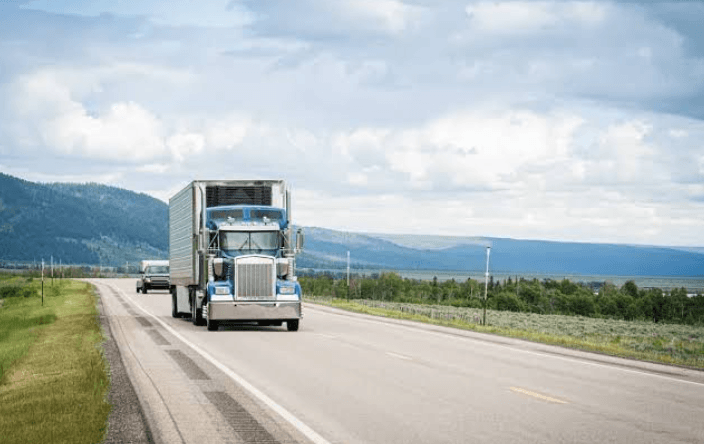
Fuel is the largest controllable operating cost in most commercial fleets, and it is the one operators spend the least time managing. Purchase decisions get weeks of analysis. Maintenance gets a schedule. Fuel gets a card and a monthly invoice that nobody examines closely because the number is what it is.
It is more controllable than that. The gap between the best and worst performing vehicle in a mixed fleet, and between the best and worst driver operating the same vehicle, is frequently large enough that closing part of it saves more than any purchasing decision available in a given year.
That applies whether the fleet is built on Isuzu Commercial Trucks or anything else, because most of the variables that determine consumption are operational rather than mechanical. The truck sets a floor; how it is driven, loaded, maintained, and routed determines where actual consumption sits above it.
Measuring Before Changing Anything
Nothing here works without a baseline, and most operators do not have one at the level required.
Consumption per vehicle, tracked monthly, is the minimum. Fleet averages hide the outliers, and the outliers are where the recoverable cost sits.
Consumption per driver, where vehicles are shared, frequently reveals differences of a size that surprises people. The same truck on the same route with two different drivers can differ substantially, and that variation is addressable.
Consumption by route or job type, since a vehicle doing urban stop-start work is not comparable to one running highway distances and comparing them directly produces meaningless conclusions.
Trend over time per vehicle, which is a maintenance signal as much as a cost one. A gradual decline usually indicates a developing mechanical issue and is worth investigating before it becomes a failure.
A simple record of fuel purchased against distance covered, per vehicle, is enough to start. Telematics gives more detail and is not necessary to begin.
What Drivers Control
Driving technique accounts for a large share of the variation between similar vehicles, and it responds to attention.
Idle time is usually the single largest recoverable item. An engine running while stationary produces no work and burns fuel continuously, and most fleets have far more idle time than anyone realizes until it is measured. Some idling is necessary for cab climate, hydraulics, or emissions system behaviour, and much of it is habit.
Acceleration and braking patterns matter considerably. Anticipating traffic and coasting to stops rather than accelerating toward them and braking hard makes a measurable difference across a shift.
Speed is straightforward physics. Consumption rises sharply with speed at highway pace, and a modest reduction produces a real saving with a modest time cost.
Gear selection and use of cruise control where appropriate helps on longer runs.
Route familiarity reduces wrong turns, unnecessary distance, and time spent stationary.
The way to address this is with information rather than instruction. Drivers shown their own consumption compared with the fleet generally improve without being told to, and a scheme that recognizes good performance works better than one that criticizes poor performance.
What Maintenance Controls
Several routine items affect consumption directly and are easy to neglect.
Tyre pressure is the most significant and the most commonly wrong. Underinflated tyres increase rolling resistance and consumption, and they wear faster and fail more often. Weekly checks pay for themselves several times over.
Tyre selection matters too, since low rolling resistance designs offer a real saving on highway work and may not suit every application.
Air filter condition affects engine efficiency, and a filter left beyond its interval costs fuel continuously.
Injector and fuel system condition determines combustion quality, and a gradual deterioration shows up as consumption before it shows up as a fault.
Wheel alignment affects both tyre wear and rolling resistance and is rarely checked on commercial vehicles unless something is obviously wrong.
Emissions system condition matters, since a system in frequent forced regeneration is burning additional fuel to clear itself, which is one more reason to manage the duty cycle carefully.
What Loading and Routing Control
Operational decisions affect consumption as much as anything under the hood.
Weight is direct. Carrying equipment or materials that are not needed costs fuel on every mile, and vehicles accumulate items that nobody has removed in months.
Aerodynamics matter at highway speed. Roof equipment, open dropsides, and poorly secured loads all cost fuel, and body specification choices made for other reasons have consequences here.
Route planning to reduce distance and to avoid congestion has an obvious effect, and the second matters more than the first in urban work, since time spent stationary in traffic is time spent idling.
Load consolidation, meaning fewer trips carrying more, is usually the largest single lever available in delivery operations.
Scheduling around traffic patterns where the work allows it reduces both fuel and driver time.
Building It Into Normal Operations
The programmes that produce lasting results are unglamorous.
Report consumption monthly by vehicle and by driver, and make it visible rather than filing it.
Investigate outliers in both directions, since a vehicle performing unusually well may indicate something the rest of the fleet could adopt.
Include fuel performance in maintenance decisions, treating a decline as a diagnostic signal.
Address idle time specifically, since it is the largest single item in most fleets and the one most amenable to attention.
Recognize improvement, because a driver who reduced consumption saved the business real money and should hear about it.
None of this requires new equipment or capital. It requires somebody looking at numbers that are already available and acting on what they show, which is the most reliable return available in fleet operation.