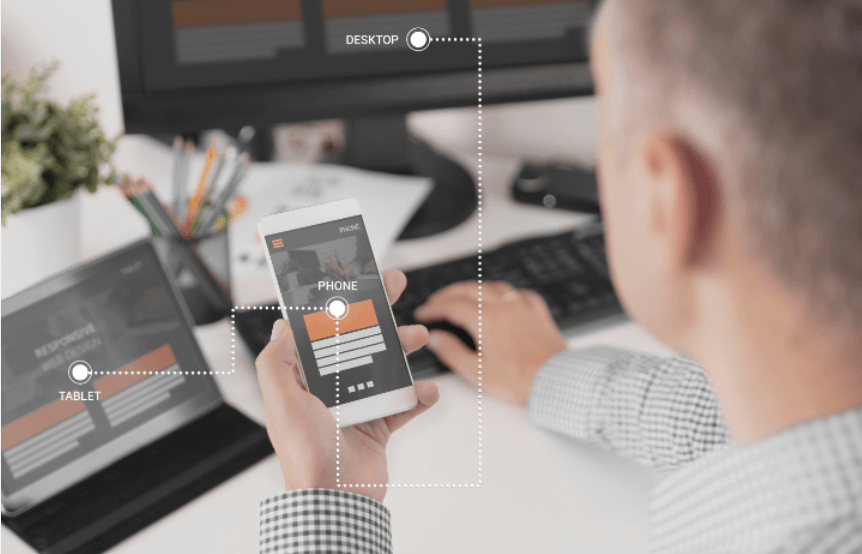
Many features of a digital product don’t make it valuable. It’s useful when people are able to access those features without any hindrances, confusion, or lost time. This smooth screen builds confidence before the user even considers product strategy, engineering or business metrics. Helps the app appear stable, beneficial and ready to be used again.
A term such as desi play app might signal a larger product question: What is it about the apps that have a way to get from point A to B quickly, deliver smooth feedback and provide an obvious sense of progress that make them stick? Simple elements that are done right can be a great first step in a positive mobile experience: loading quickly, text being readable, actions are clear, and a response that makes users feel like they are in control.
The First Screen as a Value Signal
A polished first screen can raise perceived product value immediately. It tells users that the platform respects their time. It suggests that the product team has thought about real behavior, not only visual style. A slow or crowded screen does the opposite. It makes even strong features feel harder to trust.
Good UX is often quiet. It does not need to announce itself. The screen simply makes sense. Buttons appear where users expect them. Text is easy to read. Navigation does not feel like a puzzle. When the first moment feels clear, the user is more likely to continue.
This is why product value starts before deep functionality. The user must first believe the experience is worth entering.
The Friction Tax
Poor UX involves a hidden cost. Each and every superfluous movement costs attention. A single loose button trades in the loss of faith. Patience is lost with every slow response. While they might not show up on a balance sheet, these little losses are as important as they get for your retention, satisfaction and the overall health of your product in the future.
Friction can manifest itself in a variety of forms. There is too much information being requested in a form. No feedback during loading of a page. A button appears to be clickable, but has no effect when clicked. There are too many menus in order to find a setting. Confirmation message is too fast to disappear. These may appear quite small individually, but when taken all together, they make the product tiring to use.
Users don’t always complain. Many simply leave. That adds up cost for friction. It can lead to a decrease in repeat visits, more support required and less trust prior to the business knowing what they are losing engagement on.
Smooth UX cuts that tax. It aids the user to proceed with a lesser effort in the mind. It helps them build confidence in the app knowing what should happen next.
The Smooth Screen Dividend
The dividend is a value that continues to occur. Smooth UX is no different. A responsive, stable and clear interface pays off with trust, re-using the interface, deeper engagement and better user perception.
Smooth screen doesn’t just make the product look better. It alters the feel of the product. When users know they won’t have to invest any time, they are more likely to come back. They will tend to investigate features, more so when the basic flow is predictable. They tend to verify a platform that clearly responds after each action.
The dividend appears in small moments:
- A fast load that keeps the user from leaving.
- A clear confirmation that removes doubt.
- A clean form that reduces mistakes.
- A visible progress signal that encourages completion.
- A helpful error message that keeps frustration low.
- A stable mobile layout that works during short sessions.
These details turn UX into product value. They make the app feel easier, safer, and more useful without adding unnecessary complexity.
The Product Health Dashboard
A healthy digital product feels consistent. It opens reliably. It responds predictably. It explains mistakes clearly. It does not make users guess whether an action worked. This kind of reliability builds value because users begin to trust the product as part of their routine.
App speed is also a product signal. A slow experience can make a modern platform feel outdated, even when the underlying service is strong. Stability matters for the same reason. Users may forgive one delay, but repeated problems make the product feel weaker.
Product teams can learn a lot from moments of hesitation. Where do users stop? Which buttons are ignored? Which forms are abandoned? Which screens create repeated errors? These questions turn UX from a design preference into a business tool.
The Value Users Can Feel
The strongest product value is not always the value written in a pitch deck. It is the value users feel while using the app. A person may not describe an interface as “high-performing,” but they will notice when it feels easy. They may not mention retention loops, but they will return when the experience feels smooth.
Good UX makes features easier to reach. It makes progress easier to understand. It makes errors easier to fix. It makes short sessions feel productive instead of frustrating. That is why smooth design can increase the perceived value of the entire product.
A mobile app competes in a crowded screen environment. Users have many choices and little patience. A product that feels clean, fast, and helpful earns more than attention. It earns confidence.
The smooth screen dividend grows from every small moment that reduces effort and increases trust. A product becomes more valuable when users feel that it works with them, not against them. A smooth screen does not just look better. It makes the whole product feel more reliable, more useful, and more worth returning to.